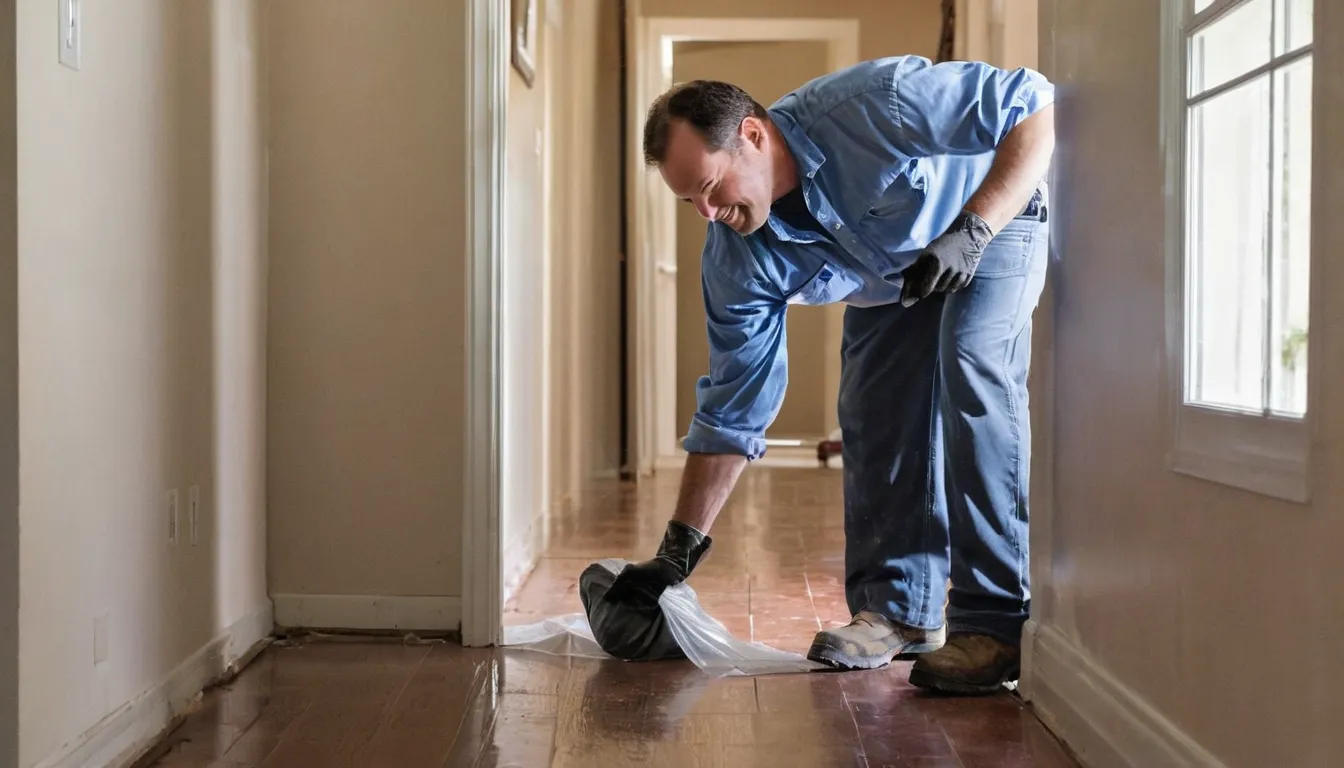
Mold Remediation
Mold remediation stops the moisture, seals off the work zone and removes damaged material so growth has less reason to return.
Spotted mold in a closet, crawl space or bathroom? Listcourse Mold Help connects you with independent local providers, so you can see written estimates side by side and pick what fits your home.
In the U.S., small areas often cost roughly $500 to $1,500, while crawl spaces, attics or several rooms commonly land between $2,000 and $6,000. Size, access, materials removed and drying time all move the price. Ask each provider for a written quote with a line-by-line breakdown.
Not always. When growth is visible and the cause is clear, many providers move straight to fixing moisture and removing damage. Testing is more useful for hidden odors, real estate deals, or checking results after cleanup. Ask the provider why they do or do not recommend it.
Two or three is a sensible number for most homes. That gives you enough to see a fair price range and compare approaches without dragging the process out while moisture keeps working on the house.
No. Listcourse Mold Help is a referral service. We connect homeowners with independent local providers, and those providers inspect, quote and perform the work under their own terms.
Look for the affected area in square feet, containment steps, materials to be removed, cleaning and drying methods, and how completion will be checked. It should also state whether rebuilding is included. If something is missing, ask before you sign so you can compare quotes fairly.
Two services cover most mold situations in a house. Remediation deals with growth you can already see or smell. Inspection and testing helps when you suspect a problem, want a baseline before buying or selling, or need to check that past work held up. Choose a card below to read more.
Mold remediation stops the moisture, seals off the work zone and removes damaged material so growth has less reason to return.
A mold inspection traces moisture and growth in your house, and testing adds lab results when you need them.
Found mold and not sure what it should cost to fix? Send a short note or request an estimate, and we will point you toward a local provider.
No obligationNashville Nolensville Springfield White House Lebanon Spring Hill Gallatin Old Hickory Madison Franklin La Vergne Murfreesboro Dickson Hermitage Goodlettsville Smyrna Brentwood Columbia
A gray patch behind the washer or a sour smell under the house is enough to unsettle anybody. Most homeowners in Nashville have the same first questions. How big is this, who should look at it, and what will it cost to put right?
Listcourse Mold Help is a referral service built around those questions. We connect you with independent mold providers who work in the Nashville area. A provider visits, looks at the affected area, finds the moisture source and puts a price in writing. If you want a second opinion, ask for one. Two quotes for the same job can differ a lot, and seeing them next to each other makes the gaps easy to spot.
Some jobs need removal of stained drywall or treated framing. Others start with an inspection, moisture readings and air or surface samples so you know what you are dealing with. Providers set their own prices and do all of the work. You keep the decision, and nothing commits you until you sign with someone.
Prefer to talk it through first? Request a callback to check provider availability in your part of town.
Listcourse Mold Help does not send out crews or sell mold treatments. We keep a network of independent local providers who handle remediation and inspection for homeowners across the Nashville area. When you reach out, we pass your request to a provider who serves your area. That provider schedules the visit, quotes the job and does the work.
We may be paid by providers or partners for the calls and requests we send them. That arrangement never adds a fee to your bill, and you can turn down any quote you receive for any reason.
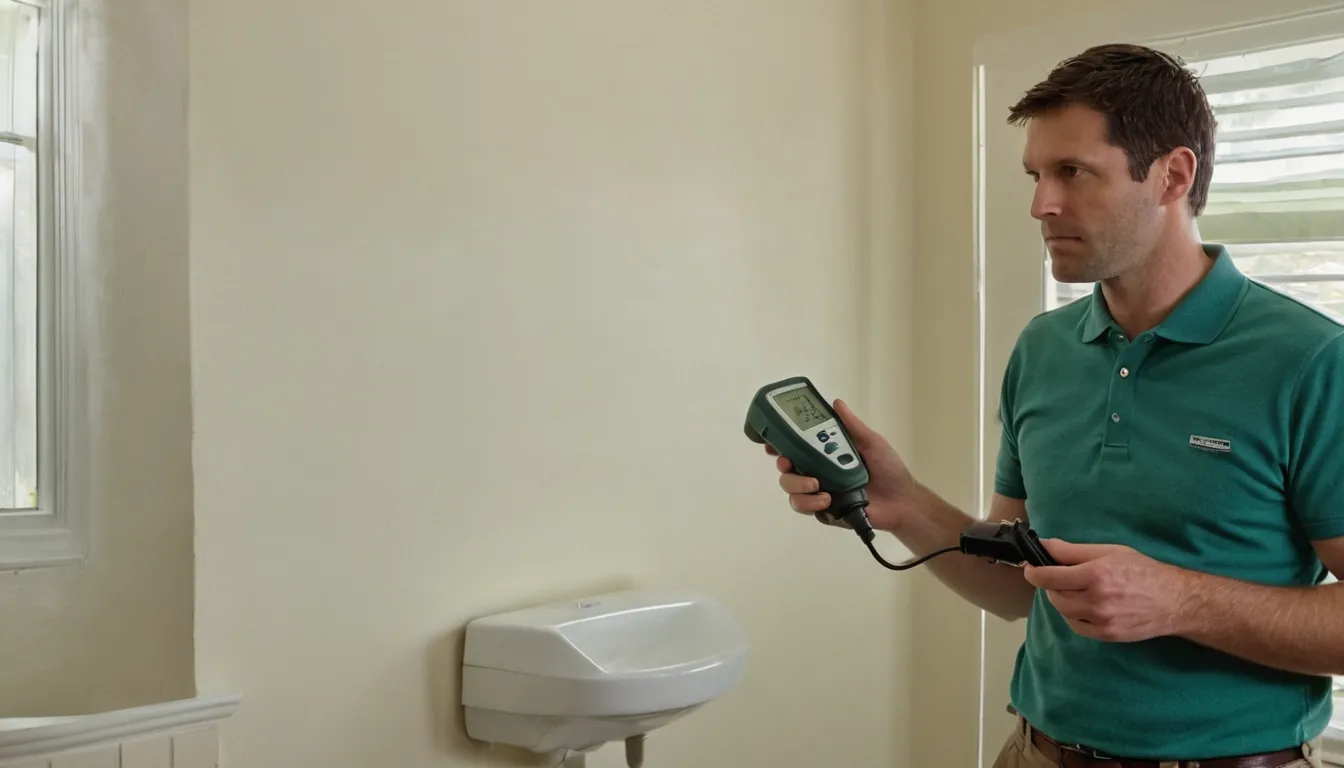
Most visits begin with a walk through the problem area and a talk about what you have noticed. Expect the provider to use a moisture meter, look for leaks or condensation, and check spots that tend to stay damp, such as crawl spaces, attics and the wall behind a shower. If testing makes sense, they will explain the type of sample and what the lab report can and cannot tell you.
A useful quote lists the square footage involved, how the area will be contained, what material comes out, what gets cleaned and dried, and how the provider plans to confirm the work is done. It should also say whether rebuilding is included. Vague totals with no breakdown make comparison hard, so ask for detail.
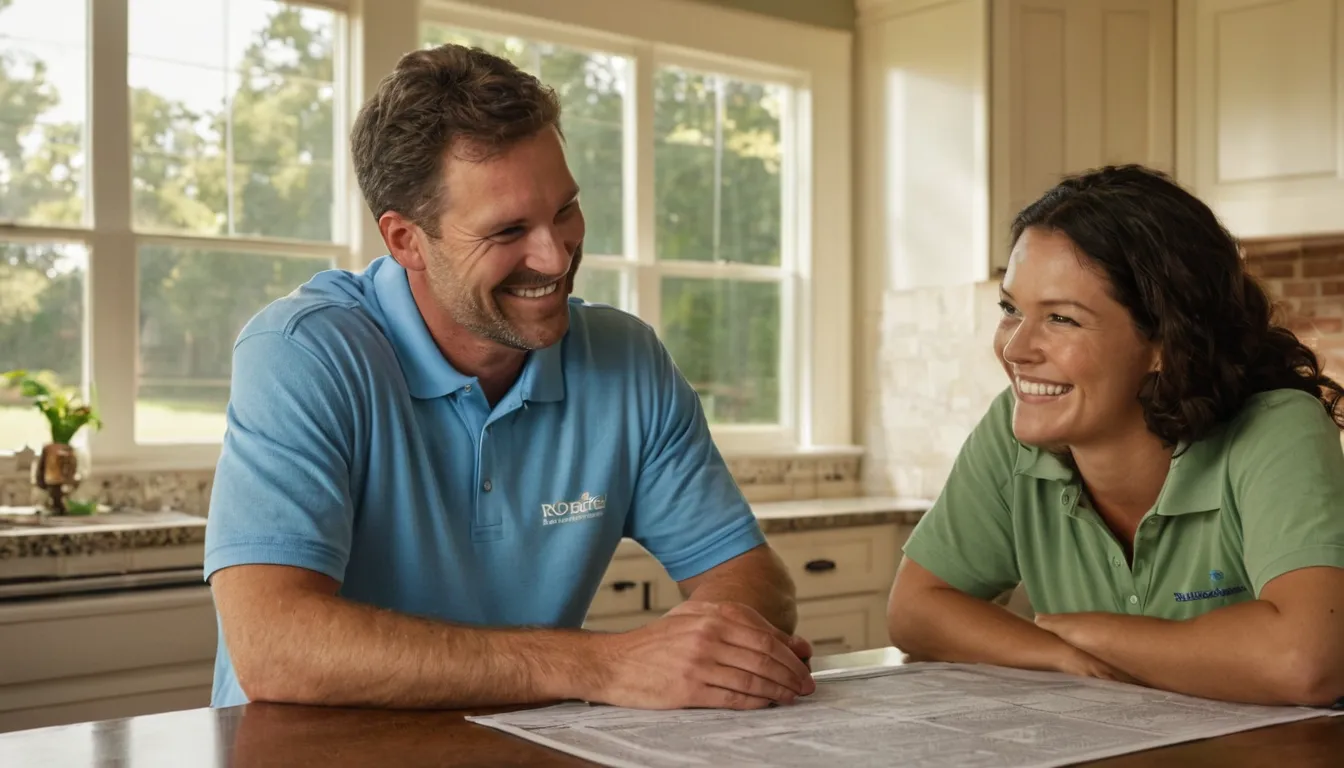
You can take the paperwork to the kitchen table and sleep on it. Ask each provider the same questions so the answers line up. If one plan calls for tearing out more material than another, ask why. A good provider will be glad to walk you through the reasoning, and you can bring those answers back to the other quote to see how they compare.
Providers in our network cover Nashville and the surrounding towns of the Nashville area. Houses here run the full range. You will find older frame homes on crawl spaces, brick ranches from past decades and newer subdivisions built on slabs. Each type tends to hold moisture in its own way.
Long, sticky summers push humid air into vented crawl spaces, where it settles on cool joists and ductwork. Spring thunderstorms test gutters, grading and window flashing. An ice storm can leave a roof leak that nobody notices until a ceiling stain appears weeks later. When the leftovers of a tropical system stall overhead, basements and low lots take on water that may not dry fully for days.
Because of that mix, a provider who knows local houses can often guess where to look before the meter even comes out. That local feel is part of why we work with independent providers who already serve this region.
Not sure your street is covered? Send a request and we will check which provider serves your area.
Dirt wipes away and stays gone. Mold often returns in a few days, may look fuzzy or slimy, and usually comes with a musty smell. If a spot keeps reappearing in a damp place, it is worth having someone look.
Small surface spots on tile or glass can often be handled by a careful homeowner. Larger patches, growth inside walls, or anything in a crawl space are better left for a provider to assess. Scrubbing dry growth can stir it into the air and spread it to other rooms.
Across the U.S., small jobs such as a closet or bathroom corner often fall somewhere around $500 to $1,500. Larger areas, crawl spaces and attics commonly run from about $2,000 to $6,000, and whole-floor projects can go well above that. Prices vary by job, so get a written quote before work begins.
One provider may plan to remove more drywall, run more drying equipment or include post-job testing. Another may leave rebuilding out. Line the quotes up item by item and ask about anything that does not match.
Testing helps when you smell mold and cannot find it, when a sale or lease is on the table, or when you want proof that cleanup worked. When growth is plain to see, many providers skip lab work and go straight to fixing the moisture and removing the damage. Inspections in the U.S. commonly run a few hundred dollars, with lab fees on top.
Warm, damp air drifts in through foundation vents and meets cooler surfaces underneath the floor. That condensation feeds growth on wood and insulation. Providers often look at vapor barriers, drainage and dehumidifiers as part of a lasting fix.
Yes. Slab houses avoid crawl space trouble, but leaks under sinks, behind toilets and around windows can still soak drywall and flooring. Poor bathroom ventilation is a common source.
Some policies may cover mold tied to a sudden event such as a burst pipe. Slow leaks and long-term humidity are often excluded. Check your policy, and ask whether the provider can help document the damage for a claim.
Listcourse Mold Help cannot give medical advice. If you have questions about mold and anyone in your household, please talk with a doctor.
Tell us a little about what you found and where it is in the house. A short note is plenty. We will pass it to an independent provider who serves your part of the Nashville area, and they will reach out to set up a visit and talk about pricing.
You can also request a callback if you would rather describe it out loud. Either way, there is no obligation to hire.
Each provider puts the scope and price in writing, so you can set estimates side by side and see where they differ.
Independent providers in our network already work in homes across the Nashville area and know how local houses hold moisture.
Take the paperwork home, ask follow-up questions and choose when you are ready. You never owe anything for asking about your options.
We explain what drives cost, from square footage to containment, so the numbers on a quote make sense.
Tell us where you see or smell mold and how long it has been there.
An independent provider visits, takes readings and looks at the affected area.
Read the scope and price, then compare it with any other estimate.
Pick the plan you trust and set a date with that provider.
Found mold and not sure what it should cost to fix? Send a short note or request an estimate, and we will point you toward a local provider.
No obligation